Oily: A Flowing Font for Business Branding
As a small business owner, I've learned that the right font can transform how a brand is perceived. It's not just about aesthetics—it's about creating a visual language that speaks to customers. Recently, I had the chance to test Oily, a flowing handwritten font, on several real-world branding projects, and it made a noticeable difference.
What Is Oily?
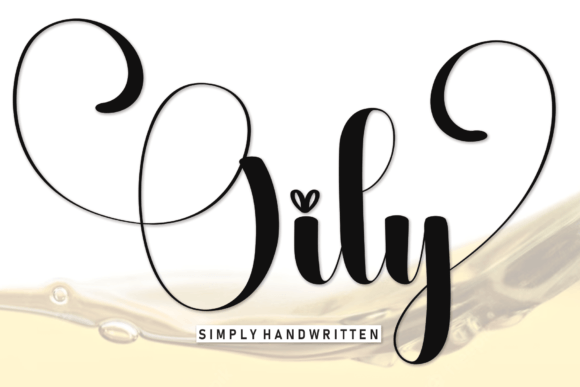
Oily is a premium font with a distinct, elegant style that feels both modern and timeless. Its flowing lines and soft curves give it a personal, handcrafted touch, making it ideal for brands that want to convey warmth and authenticity. Unlike rigid typefaces, Oily has a natural rhythm that feels like it was written by hand, which adds character to any design.
It’s part of the Script Amp collection, known for its versatile and expressive fonts. Oily fits well in the category of script fonts, but its unique personality sets it apart from others. It’s not overly ornate, yet it carries enough detail to make an impression without overwhelming the eye.
Real-World Use Cases
I first used Oily on a bakery’s packaging. The client wanted a more refined look for their product boxes, moving away from generic, mass-produced designs. Oily gave the packaging a custom feel, adding a sense of care and attention to detail. The font worked especially well for the product names and taglines, standing out without being hard to read.
Another project involved a skincare brand updating their product labels. The goal was to create a more professional and trustworthy image. Oily helped achieve this by adding a subtle elegance that complemented the clean, minimalist design of the labels. It was perfect for the brand name and key ingredients, making the information more engaging and visually appealing.
Even in smaller applications, like thank-you cards or social media graphics, Oily brought a personal touch. It made the content feel more intentional and less automated, which is important when building customer relationships.
When to Use Oily
Oily excels as a display font. It’s best suited for headlines, logos, and short phrases where its personality can shine. For longer text, it may be too decorative and could affect readability. That said, with careful spacing and appropriate sizing, it can work in some editorial contexts, such as menu designs or promotional banners.
For businesses looking to use Oily in multiple formats—print, digital, or social media—it’s important to consider how it will appear on different screens and materials. On mobile devices, for example, the font needs to be large enough to remain legible. On printed packaging, it should be paired with a complementary typeface to maintain balance.
Pairing Oily with Other Fonts
One of the strengths of Oily is how well it pairs with other fonts. For a clean, modern look, it works beautifully with a sans serif font like Lato or Montserrat. This combination gives a balanced aesthetic—elegant yet approachable. For a more traditional feel, pairing it with a serif font like Georgia or Playfair Display can add sophistication and depth.
If you're working with other script fonts, Oily stands out as a more fluid and readable option. It doesn’t compete with other scripts but instead complements them, making it a great choice for layered typography in logos or banners.
Practical Tips for Using Oily
Before using Oily on your brand materials, check the available styles, file formats, and licensing. Make sure it includes alternates and ligatures that allow for customization. If you're using it for commercial purposes, confirm that the license covers your intended use, whether it's for product packaging, online shop graphics, or client work.
Also, consider the multilingual support if your audience speaks different languages. Some fonts don’t include characters for all languages, which can be a problem if you’re targeting a global market.
Finally, always test Oily in the context of your design. What looks good on a screen might not translate well to print, and vice versa. Experiment with different sizes, weights, and spacing to find what works best for your specific application.
Oily isn’t just a font—it’s a tool for storytelling. Whether you're updating a menu, designing a label, or building a brand identity, it adds a layer of personality that can help your business stand out. With its elegant flow and versatile style, Oily is a valuable addition to any creative toolkit.